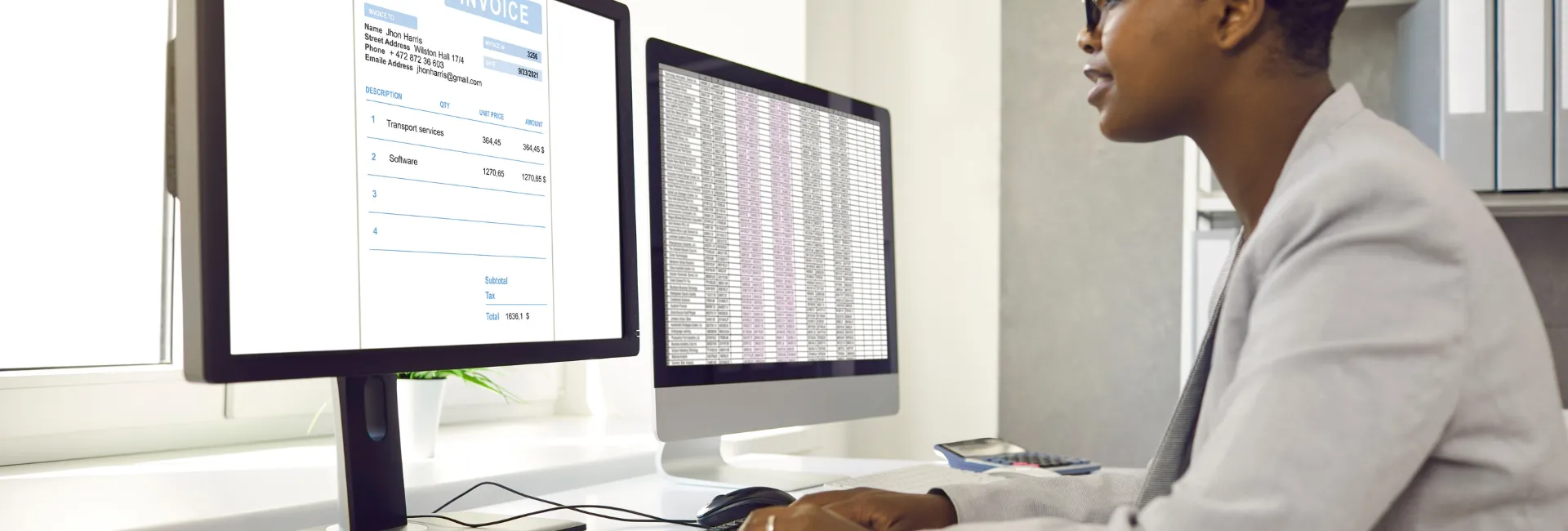
One of the key decisions you’ll need to make when setting up your business is choosing a financial year-end. While this might seem like a simple administrative task, the date you select can have a significant impact on your business’s financial management, tax obligations, and overall cash flow. For South African businesses, this decision is particularly important, and making a wise choice can help you manage your business more effectively. Let’s explore why selecting the right financial year-end matters and how it can benefit your business.
Why Your Financial Year-End Matters
Your financial year-end is the date that marks the end of your business’s financial year, and it determines when you need to submit your annual financial statements and tax returns to the South African Revenue Service (SARS). The choice of year-end can affect everything from tax planning to how you manage your cash flow. A poorly chosen year-end may result in financial stress, tax inefficiencies, or misaligned reporting. On the other hand, choosing the right year-end can streamline your financial management and optimise your business performance.
Factors to Consider When Choosing Your Financial Year-End
When selecting a financial year-end, consider the following factors:
A well-timed financial year-end can offer significant tax planning advantages. By carefully considering your year-end date, you can shift income or expenses into the most tax-efficient period. For instance, if your business had a strong year, you may want to select a financial year-end that allows you to defer some tax obligations to the following year.
If you’re a small business owner or sole proprietor, your financial year-end may also affect your personal tax planning. Aligning your business’s financial year-end with your personal tax year can help you streamline the process, especially if your personal and business finances are closely connected.
Why Choosing the Right Financial Year-End Can Benefit Your Business
Selecting the right financial year-end can help you gain more control over your business’s finances. It allows you to optimise your tax strategy, manage cash flow effectively, and streamline financial reporting. By aligning your year-end with your business’s natural cycle, you reduce stress during reporting periods and ensure your business is well-prepared for audits and tax filings.
Additionally, choosing the right year-end can help you take advantage of tax planning opportunities, reducing the tax burden on your business and improving your overall financial health.
Make a Smart Choice for Your Financial Year-End
When it comes to choosing your financial year-end, don’t make the decision lightly. Consider your business cycle, cash flow needs, tax planning opportunities, and industry norms. If you’re unsure which date would be most advantageous for your business, consult a financial advisor or tax professional who can guide you based on your unique situation.
At the Clothing, Textiles, Footwear & Leather Growth Programme (CTFLGP), we understand the importance of making smart financial decisions. Our programs are designed to support entrepreneurs and small businesses in the CTFL sectors, providing the resources and guidance you need to grow your business successfully. Contact us today to learn how we can assist you with your financial planning and help you make the best choices for your business.


Powered by Pii Digital